
Resin Art continues to gain momentum among artists, crafters, and DIY enthusiasts looking for a creative medium that combines vibrant colors, glossy finishes, and endless design possibilities. From handmade jewelry and decorative coasters to wall art and custom home décor, Resin Art has evolved from a niche hobby into one of the most popular crafting trends in recent years.
As more beginners explore Resin Art, many are discovering that while the process can produce stunning results, success often depends on using the right supplies, following proper safety procedures, and understanding how to avoid common mistakes. Industry experts and experienced crafters agree that learning the fundamentals early can save time, money, and frustration while helping creators achieve professional-looking results.
Whether you’re interested in creating personalized gifts, starting a small craft business, or simply exploring a new hobby, understanding the basics of Resin Art is the first step toward successful projects.
Why Resin Art Is Growing in Popularity
One of the biggest reasons Resin Art has become a favorite among hobbyists is its versatility. Unlike many traditional art forms, resin can be used across a wide variety of creative disciplines, including Jewelry Making, Painting, Paper Arts, and mixed-media projects.
The glossy, glass-like appearance of cured resin creates a premium look that appeals to consumers and artists alike. Social media platforms have also played a major role in the rise of Resin Art, with creators sharing colorful projects, tutorials, and time-lapse videos that showcase the medium’s unique visual effects.
Many crafters who enjoy Sewing, Pottery, Crochet & Knitting, and other creative hobbies are now adding Resin Art to their skill sets as a way to expand their creative opportunities.
Essential Beginner-Friendly Resin Art Supplies
Getting started doesn’t require a professional studio or a massive investment. Most beginners can begin with a basic collection of supplies.
Core Resin Art Materials
Before starting your first project, gather these essentials:
- Epoxy resin and hardener
- Silicone molds
- Mixing cups
- Stir sticks
- Measuring tools
- Nitrile gloves
- Protective work surface
- Heat gun or small torch
- Silicone mats
- Disposable pipettes
Quality resin products are important because lower-quality materials can increase the likelihood of bubbles, yellowing, and curing issues.
Decorative Additions
Many Resin Art projects include creative embellishments such as:
- Glitter
- Alcohol inks
- Pigments
- Dried flowers
- Metallic flakes
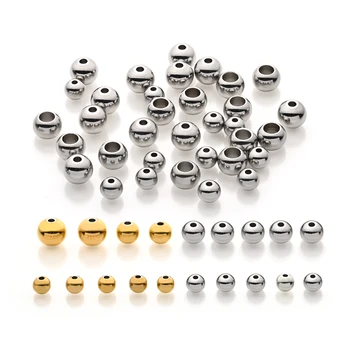
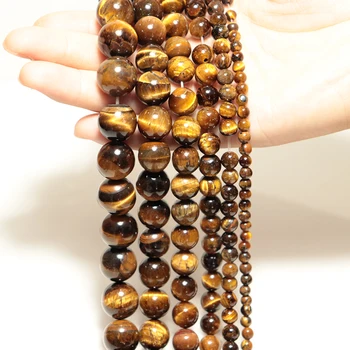
- Beads
- Small Paper Arts elements
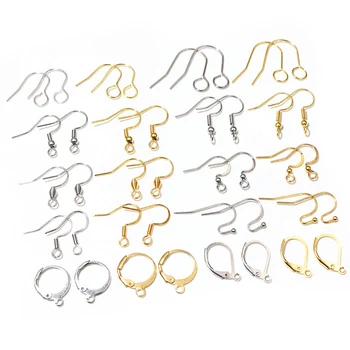
- Decorative inserts for Jewelry Making
Starting with a few simple colorants allows beginners to experiment without becoming overwhelmed by too many options.
Safety Precautions Every Beginner Should Follow
Safety is one area where experts consistently urge beginners not to cut corners.
Work in a Well-Ventilated Area
While many modern epoxy resins are formulated with lower odor levels, proper airflow remains essential. Open windows, use fans when appropriate, and avoid working in confined spaces.
Wear Protective Equipment
Basic safety gear should include:
- Nitrile gloves
- Safety glasses
- Protective clothing
- Respiratory protection when recommended by the manufacturer
Preventing skin contact with uncured resin is particularly important because repeated exposure may lead to sensitivity over time.
Follow Manufacturer Instructions
Every resin product has specific mixing ratios and curing times. Failing to follow these instructions accurately is one of the leading causes of project failure among beginners.
Popular Resin Art Project Ideas
One of the most exciting aspects of Resin Art is the variety of projects available for all skill levels.
Resin Coasters
Coasters are often recommended as a beginner project because they require minimal materials and allow creators to practice mixing, coloring, and finishing techniques.
Jewelry Making Projects
Jewelry Making remains one of the most popular uses for resin. Pendants, earrings, rings, and bracelets can be customized with pigments, dried flowers, or decorative inclusions.
Decorative Trays
Resin trays combine function and creativity. Many artists incorporate metallic pigments, marbling techniques, or geode-inspired designs.
Wall Art
Resin wall art continues to trend among home décor enthusiasts. Ocean-inspired designs, abstract color patterns, and layered effects are particularly popular.
Personalized Gifts
Custom keychains, bookmarks, photo keepsakes, and decorative ornaments offer excellent opportunities to create one-of-a-kind gifts.
Common Resin Art Mistakes and How to Fix Them
Even experienced artists occasionally encounter challenges. Understanding common problems can help beginners troubleshoot effectively.
Problem: Excessive Air Bubbles
Air bubbles are among the most frequent complaints from beginners.
Solution
- Stir slowly when mixing
- Use a heat gun carefully
- Warm resin bottles before mixing
- Pour in thin layers when possible
These techniques help reduce trapped air and improve clarity.
Problem: Sticky or Soft Resin
Resin that remains tacky after curing often indicates a mixing issue.
Solution
- Measure accurately
- Mix thoroughly
- Follow curing temperature recommendations
- Avoid altering resin ratios
Patience is important because some resin products require several days to reach full hardness.
Problem: Cloudy Resin
Cloudiness can occur when moisture contaminates the mixture.
Solution
Store supplies in a dry environment and avoid adding wet decorative materials such as freshly picked flowers.
Problem: Uneven Surfaces
An unlevel workspace can cause resin to pool on one side of a project.
Solution
Always check that your work surface is level before pouring.
Finishing and Polishing Techniques for Professional Results
The difference between an amateur project and a professional-looking piece often comes down to the finishing process.
Sanding the Surface
After curing, imperfections can often be corrected through wet sanding.
Many creators gradually work through multiple grit levels to smooth edges and remove minor flaws.
Polishing for Maximum Shine
Once sanding is complete, polishing compounds can restore the glossy appearance that Resin Art is known for.
Polishing is especially important for Jewelry Making projects and decorative items that receive close inspection.
Applying a Final Resin Coat
Some artists apply a thin finishing layer of resin to achieve an ultra-smooth, glass-like surface.
This technique is commonly used on trays, wall art, and tabletop projects.
The Future of Resin Art
Industry trends suggest that Resin Art will continue to expand as more hobbyists discover its creative potential. New pigments, molds, tools, and hybrid techniques are regularly being introduced, allowing artists to combine Resin Art with Painting, Paper Arts, Laser Engraving, Pottery, and other creative disciplines.
As the crafting community grows, beginners have access to more educational resources than ever before, making it easier to learn and improve their skills.
Conclusion
Resin Art offers an exciting combination of creativity, versatility, and professional-looking results that appeal to beginners and experienced crafters alike. By starting with beginner-friendly supplies, following essential safety precautions, practicing proper techniques, and learning how to troubleshoot common issues, creators can build confidence and achieve impressive results.
Whether you’re interested in Jewelry Making, custom home décor, personalized gifts, or artistic wall displays, Resin Art provides countless opportunities for creative expression. Explore new techniques, experiment with different materials, and continue learning as you develop your skills. For more creative guides and crafting inspiration, be sure to explore our related articles and join our community of makers and artists.

0 Comments