
Jewelry Making has become one of the fastest-growing creative hobbies, attracting everyone from beginners looking for a relaxing pastime to entrepreneurs seeking to launch handmade businesses. With the rising demand for unique, personalized accessories, handcrafted jewelry continues to stand out in a marketplace increasingly dominated by mass-produced products.
Whether you’re interested in creating elegant necklaces, statement earrings, charm bracelets, or custom gifts, learning the fundamentals of Jewelry Making can open the door to endless creative possibilities. The good news is that getting started doesn’t require a large investment or advanced artistic skills. With a few essential tools, quality materials, and a basic understanding of core techniques, anyone can begin creating beautiful handmade pieces.
This guide covers the must-have tools, foundational beading and wirework techniques, material selection tips, current jewelry trends, and what aspiring makers should know about selling handmade jewelry online.
Why Jewelry Making Continues to Grow in Popularity
The appeal of Jewelry Making lies in its combination of creativity, functionality, and personalization. Handmade jewelry allows creators to design pieces that reflect individual styles while offering opportunities to experiment with colors, textures, and materials.
Many crafters who enjoy Resin Art, Paper Arts, Sewing, and other creative hobbies often expand into jewelry design because it provides a practical outlet for artistic expression. In addition, handmade jewelry can be created from home with minimal workspace requirements, making it an accessible hobby for people of all skill levels.
The growing popularity of artisan products and personalized gifts has also contributed to increased demand for handmade jewelry in both local and online marketplaces.
Must-Have Jewelry Making Tools
One of the best aspects of Jewelry Making is that beginners can start with a relatively small collection of tools.
Essential Starter Tools
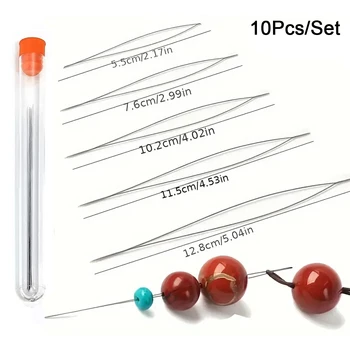
A basic jewelry toolkit should include:
- Round-nose pliers
- Chain-nose pliers
- Wire cutters
- Crimping pliers
- Bead mat
- Ruler or measuring tape
- Jewelry glue
- Storage containers
These tools can be used for a wide variety of projects, including beading, wire wrapping, and basic assembly work.
Why Quality Tools Matter
While it may be tempting to purchase the least expensive tools available, investing in quality pliers and cutters often improves precision and comfort. Better tools typically last longer and reduce hand fatigue during extended crafting sessions.
For beginners, focusing on a few reliable tools is often more beneficial than purchasing large kits filled with items that may rarely be used.
Understanding Beading Basics
Beading is one of the most approachable Jewelry Making techniques and serves as an excellent starting point for new makers.
Choosing Beads
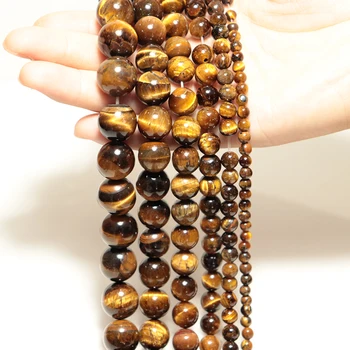
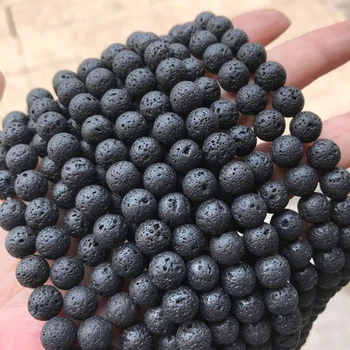
Today’s jewelry designers can choose from an enormous variety of bead materials, including:
- Glass beads
- Crystal beads
- Gemstone beads
- Acrylic beads
- Wooden beads
- Ceramic beads
- Resin beads
Each material offers its own visual appeal and price point, allowing creators to tailor projects to specific styles and budgets.
Basic Beading Techniques
Most beginner projects involve stringing beads onto wire, cord, or thread before securing them with clasps and findings.
Key techniques include:
- Measuring and planning layouts
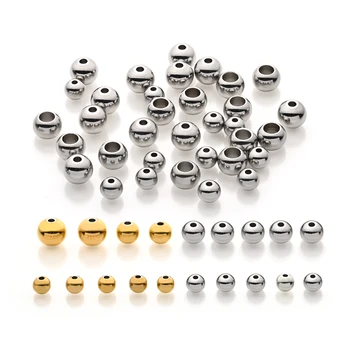
- Using spacer beads
- Attaching clasps
- Crimping bead wire
- Creating balanced designs
Practicing these skills helps establish a strong foundation for more advanced jewelry projects.
Learning Wirework Fundamentals
Wirework adds structure, elegance, and customization to handmade jewelry.
What Is Wirework?
Wirework involves shaping, wrapping, and manipulating metal wire to create decorative and functional elements within a design.
Common wire types include:
- Copper
- Brass
- Silver-plated wire
- Sterling silver wire
- Gold-filled wire
Beginners often start with affordable copper wire before transitioning to premium materials.
Essential Wirework Skills
Some of the most useful techniques include:
Creating Wire Loops
Wire loops are commonly used to connect beads and findings while adding flexibility to a design.
Wire Wrapping
Wire wrapping secures beads, stones, and decorative elements without requiring soldering.
Forming Decorative Shapes
Artists can bend wire into spirals, geometric patterns, and intricate embellishments that become focal points in a piece.
Mastering these techniques allows creators to produce professional-looking jewelry while expanding their design options.
Choosing the Right Materials
Material selection plays a major role in the appearance, durability, and value of handmade jewelry.
Consider Durability
Jewelry intended for daily wear should use durable components that resist tarnishing and breakage.
Popular options include:
- Stainless steel findings
- Sterling silver components
- Gold-filled metals
- Natural gemstones
- High-quality glass beads
Match Materials to Your Audience
Different customers prefer different styles and price ranges. Understanding your target audience can help guide purchasing decisions and improve the appeal of finished products.
For example, minimalist jewelry often emphasizes high-quality metals and clean lines, while bohemian styles may incorporate natural stones, wood, and mixed materials.
Trending Handmade Jewelry Styles
Consumer preferences continue to evolve, creating new opportunities for jewelry makers.
Personalized Jewelry
Custom name necklaces, birthstone pieces, and engraved accessories remain among the most sought-after handmade products.
Nature-Inspired Designs
Floral motifs, leaf patterns, and organic textures continue to influence modern Jewelry Making trends.
Resin Jewelry
Resin Art has become increasingly popular within the jewelry community. Artists are incorporating dried flowers, pigments, metallic flakes, and miniature decorative elements into unique wearable pieces.
Minimalist Jewelry
Simple designs featuring clean shapes, delicate chains, and understated elegance remain highly desirable among many consumers.
Mixed-Media Creations
Many contemporary designers blend Jewelry Making with Paper Arts, fiber arts, and other crafting disciplines to create distinctive statement pieces.
Selling Handmade Jewelry Online
Many hobbyists eventually explore selling their creations online. The handmade marketplace continues to offer opportunities for makers who focus on quality craftsmanship and strong branding.
Create Professional Product Photos
High-quality images help customers evaluate details, materials, and overall craftsmanship. Natural lighting and clean backgrounds often produce the best results.
Build a Consistent Brand
Successful jewelry businesses typically develop a recognizable visual style that reflects their target audience and design philosophy.
Write Detailed Product Descriptions
Clear descriptions should include:
- Materials used
- Dimensions
- Care instructions
- Customization options
Providing accurate information helps build customer trust and reduces returns.
Use Social Media Strategically
Platforms focused on visual content can be powerful marketing tools for jewelry makers. Sharing behind-the-scenes content, process videos, and completed projects helps engage potential customers and build a loyal following.
Conclusion
Jewelry Making offers an exciting blend of creativity, craftsmanship, and entrepreneurial potential. By investing in essential tools, learning foundational beading and wirework techniques, selecting quality materials, and staying informed about current design trends, beginners can quickly develop the skills needed to create beautiful handmade pieces.
Whether you’re designing jewelry for personal enjoyment, gifting handmade creations to loved ones, or launching an online business, the possibilities within Jewelry Making are virtually endless. Start with simple projects, continue refining your techniques, and explore new materials and styles as your confidence grows. For more creative inspiration and crafting resources, be sure to explore our related articles and join our community of makers.


0 Comments