
Modern hand-embroidery is experiencing a remarkable resurgence as crafters, artists, and DIY enthusiasts rediscover the creative possibilities of needle and thread. Once associated primarily with traditional floral samplers and heirloom linens, embroidery has evolved into a contemporary art form that blends craftsmanship, self-expression, and modern design trends.
From personalized gifts and fashion accessories to wall art and mixed-media creations, modern embroidery is attracting a new generation of makers who appreciate its accessibility, affordability, and endless creative potential. Industry observers note that the growing interest in handmade goods and mindful hobbies has helped fuel embroidery’s comeback, making it one of the fastest-growing segments within the broader craft and hobby market.
Unlike many creative pursuits that require expensive equipment or dedicated studio space, embroidery offers an easy entry point for beginners while providing experienced stitchers with opportunities to continually refine their skills and artistic style.
A Modern Take on a Traditional Craft
Today’s embroidery artists are moving beyond conventional patterns and embracing contemporary aesthetics. Clean lines, geometric designs, minimalist illustrations, bold typography, and abstract compositions have become increasingly popular across social media platforms and online crafting communities.
The appeal of modern embroidery lies in its versatility. Projects can range from simple decorative hoops to elaborate textile artwork, allowing creators to tailor their work to their interests and skill level. Many artists are also incorporating elements of Sewing, Paper Arts, and mixed-media techniques to create one-of-a-kind pieces that blur the boundaries between traditional crafting and fine art.
For beginners, the simplicity of getting started remains one of embroidery’s greatest strengths.
Essential Embroidery Supplies for Beginners
One reason modern hand-embroidery continues to attract new enthusiasts is its relatively low startup cost. A few basic tools are often all that’s needed to begin creating personalized projects.
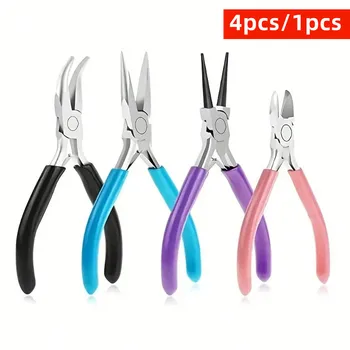
A typical beginner embroidery kit includes:
- Embroidery hoop
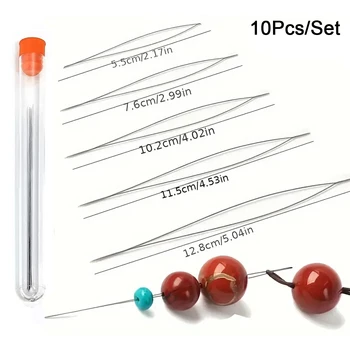
- Embroidery needles
- Embroidery floss
- Fabric
- Transfer pen or pencil
- Small scissors
These simple supplies provide everything necessary to learn foundational techniques and complete a variety of starter projects.
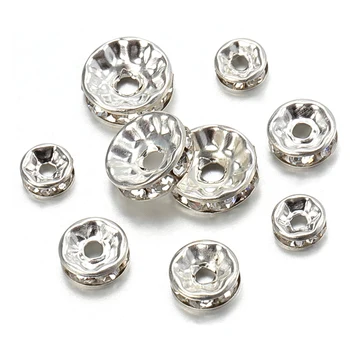
Experienced embroiderers often expand their collections with specialty threads, fabric stabilizers, decorative beads, and additional tools, but beginners can achieve impressive results with a minimal investment.
Step 1: Start with a Simple Design
Crafting experts consistently recommend that newcomers begin with uncomplicated patterns featuring basic shapes, simple lettering, or geometric elements.
Starting with a manageable design offers several benefits. It allows beginners to focus on mastering stitching techniques without becoming overwhelmed by complex compositions. Completing a project quickly also helps build confidence and encourages continued practice.
Popular beginner-friendly designs include:
- Monograms
- Inspirational words
- Simple floral outlines
- Geometric patterns
- Abstract line art
These projects provide opportunities to practice precision while producing attractive finished pieces.
Step 2: Transfer Your Pattern
Once a design has been selected, the next step is transferring it onto fabric.
Using a transfer pen or pencil, lightly sketch the pattern onto the chosen material. The markings should be visible enough to guide stitching while remaining easy to cover with thread.
Many modern embroidery artists use printable templates or digital design software to create custom patterns before transferring them to fabric. This approach allows for greater creative freedom and personalization.
Careful pattern placement is important because it helps ensure balanced compositions and professional-looking results.
Step 3: Learn Fundamental Stitches
Embroidery may appear complex at first glance, but most designs are built using a relatively small collection of foundational stitches.
Beginners are encouraged to focus on mastering five essential techniques:
Running Stitch
The running stitch is one of the simplest embroidery stitches and serves as the foundation for many decorative patterns. It creates clean lines and is ideal for outlines and simple designs.
Backstitch
Backstitch produces a continuous, solid line that is frequently used for lettering, outlines, and detailed illustrations.
Satin Stitch
Satin stitch fills shapes with smooth, dense coverage, making it perfect for bold graphic elements and decorative accents.
French Knot
French knots add texture and dimension to embroidery projects. They are commonly used for floral centers, decorative details, and textured effects.
Chain Stitch
Chain stitch creates linked loops that form attractive decorative lines and borders. It is often featured in modern embroidery designs due to its visual impact and versatility.
Together, these stitches provide a strong foundation that can be adapted to countless creative applications.
Step 4: Add Layers and Texture
As stitchers gain experience, many begin exploring techniques that add greater visual depth and artistic complexity to their work.
Combining thread colors, varying stitch lengths, and layering different stitch types can dramatically transform a design. These techniques help create dimension, movement, and texture while allowing artists to develop a distinctive style.
Many contemporary embroidery projects incorporate:
- Multiple thread weights
- Metallic embroidery floss
- Beads and embellishments
- Fabric appliqué
- Mixed-media elements
Some artists even combine embroidery with Paper Arts, fabric collage, and Sewing projects to create multidimensional works that showcase a variety of creative skills.
Why Modern Embroidery Continues to Grow
The renewed popularity of hand-embroidery reflects a broader interest in handmade craftsmanship and creative self-expression. Many hobbyists appreciate the calming, meditative nature of stitching, while others are drawn to the opportunity to create personalized décor and meaningful gifts.
The rise of online tutorials, social media communities, and digital pattern marketplaces has also made learning embroidery more accessible than ever before. Beginners can quickly find inspiration, instructional resources, and project ideas that support their creative journey.
At the same time, experienced stitchers continue to push the boundaries of the craft by experimenting with innovative materials, contemporary themes, and mixed-media techniques.
Looking Ahead
As creative trends continue to evolve, modern hand-embroidery shows no signs of slowing down. Its combination of affordability, accessibility, and artistic flexibility makes it appealing to a wide range of makers, from first-time crafters to seasoned textile artists.
Whether used to create wall art, fashion embellishments, home décor, or personalized gifts, embroidery offers a rewarding way to transform simple fabric into meaningful works of art.
For those considering a new creative hobby, modern hand-embroidery provides an ideal starting point. With a handful of basic supplies, a simple design, and a willingness to experiment, anyone can begin bringing fabric to life one stitch at a time.

0 Comments